Change Management Strategies for SAP EWM Digital Transformation
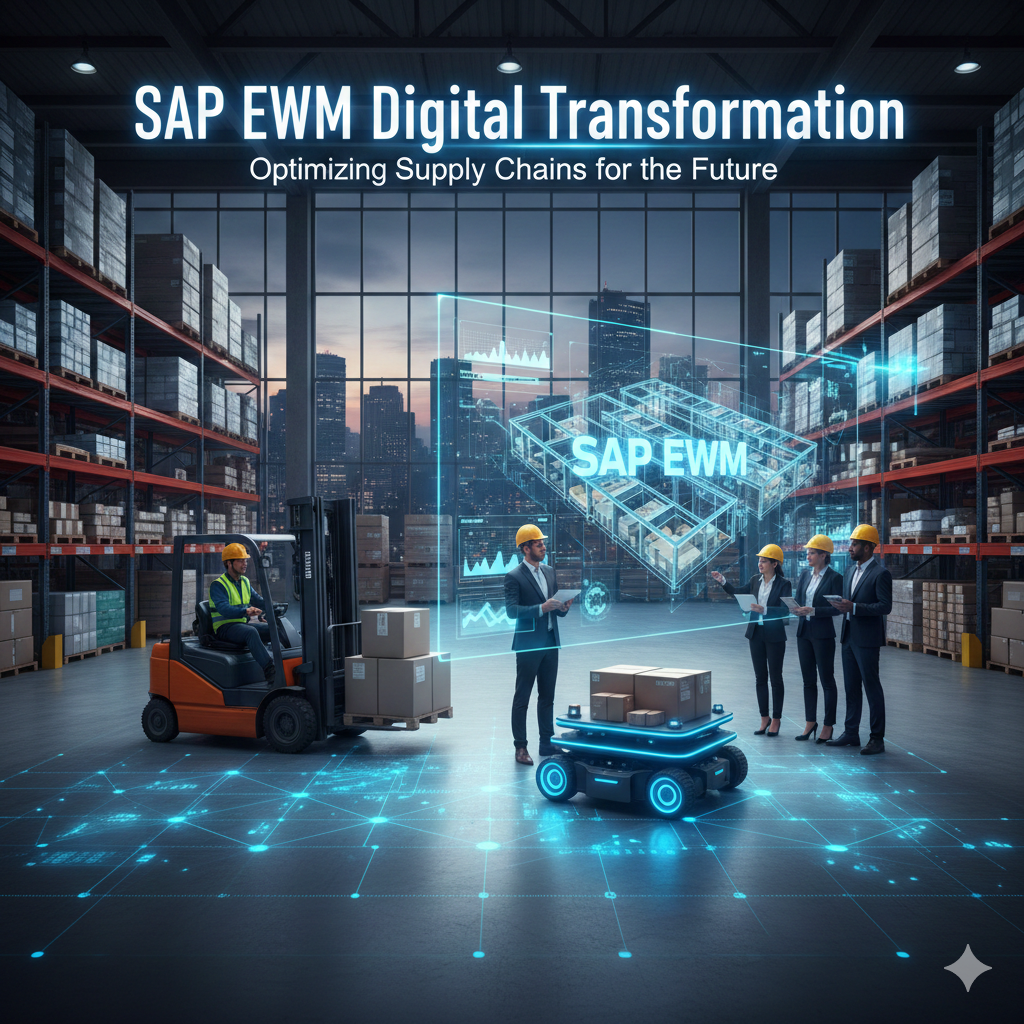
Digital transformation in warehouses is no longer optional—it’s a necessity. Companies in Texas, USA, especially in logistics-heavy areas like Houston, Dallas, and Austin, are adopting SAP EWM (Extended Warehouse Management) solutions to streamline warehouse operations, reduce errors, and enhance efficiency.
However, implementing SAP EWM is not just a technical project—it requires robust change management strategies to ensure that employees adopt the system effectively. Without proper change management, even the best SAP EWM systems can fail to deliver expected results.
This guide covers practical change management strategies tailored for Texas warehouses, helping managers drive successful digital transformation.
Why Change Management Matters for SAP EWM Implementation
- Employee Resistance: Warehouse staff may be accustomed to legacy systems or manual processes, leading to reluctance in adopting SAP EWM.
- Operational Disruption: Poorly managed change can cause errors in inventory, picking, and order fulfillment.
- ROI Risk: Without proper adoption, the investment in SAP EWM may not yield productivity gains or cost savings.
- Texas-Specific Challenges: Warehouses in Texas often deal with large-scale operations, high labor turnover, and multi-site coordination, which amplifies change management needs.
Key Change Management Strategies for SAP EWM
1. Conduct a Readiness Assessment
Before implementing SAP EWM, assess the warehouse’s current processes, technology maturity, and employee readiness.
- Identify key stakeholders: warehouse managers, supervisors, IT teams, and operators.
- Map current workflows and highlight pain points.
- Assess employee skills and training needs.
Benefit: Ensures that change strategies are tailored to your warehouse operations in Texas.
2. Develop a Clear Communication Plan
Effective communication is critical to reduce resistance:
- Explain why SAP EWM is being implemented (efficiency, accuracy, scalability).
- Share expected benefits for both the company and employees.
- Use multiple channels: emails, in-person meetings, dashboards, and posters in Texas warehouse facilities.
Tip: Highlight local success stories from other Texas warehouses to build trust and enthusiasm.
3. Role-Based Training Programs
Tailor SAP EWM training based on employee roles:
- Pickers Packers: Hands-on training with RF devices and MobGUI interfaces.
- Supervisors: Workflow management, exception handling, and KPI monitoring.
- IT Support Teams: System administration, troubleshooting, and integration.
training using real warehouse data and Texas-specific workflows.
4. Appoint Change Champions
Identify influential warehouse staff who can act as change ambassadors:
- Encourage peers to adopt SAP EWM practices.
- Provide on-floor support during go-live.
- Help identify challenges and provide feedback to management.
Texas warehouses accelerate adoption and reduce resistance.
5. Phased Implementation
Avoid a full-scale rollout at once. Use phased deployment strategies:
- Start with one warehouse or a specific operation (e.g., inbound processing).
- Gather feedback and resolve issues before expanding to other locations in Texas.
- Gradually introduce advanced features like automated task allocation or analytics dashboards.
Benefit: Minimizes disruption and allows continuous improvement.
6. Monitor KPIs & Employee Feedback
Track key metrics to measure adoption and success:
- Task completion times
- Error rates in picking and putaway
- System login and usage patterns
- Employee satisfaction and confidence
Use dashboards to visualize progress and address gaps promptly.
7. Continuous Improvement & Support
Change management doesn’t end at go-live:
- Provide ongoing training sessions for new hires and advanced users.
- Conduct regular review meetings with warehouse managers in Texas.
- Update SOPs and digital guides as SAP EWM features evolve.
Goal: Ensure SAP EWM adoption remains high and operational efficiency continues to improve.
Conclusion
For warehouses in Texas, USA, implementing SAP EWM is a powerful step toward digital transformation. However, success depends on structured change management strategies that address employee readiness, communication, training, and continuous improvement.
By following these strategies, warehouse leaders can:
- Reduce employee resistance
- Maximize system ROI
- Improve operational efficiency
- Ensure sustainable digital transformation
SAP EWM adoption in Texas warehouses is not just about technology—it’s about people, processes, and smart change management.