The Future of Warehouse Mobility: Trends Beyond 2026
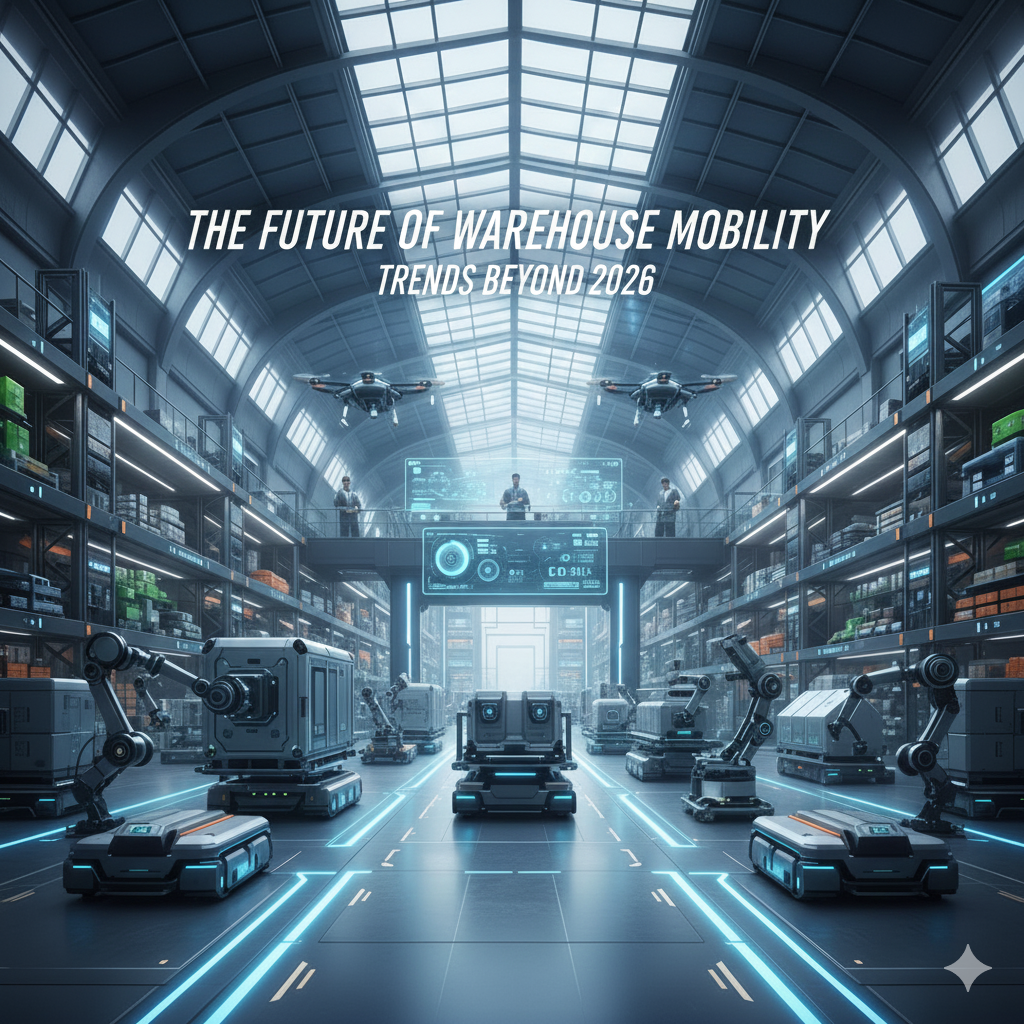
Warehouse mobility has evolved significantly from traditional handheld RF devices. With SAP EWM RF solutions and modern interfaces like MobGUI, warehouses are already experiencing higher efficiency and accuracy. But what does the future hold beyond 2026?
The next era of warehouse mobility will integrate AI, automation, voice interfaces, wearable devices, and cloud technology to streamline operations and make warehouses smarter than ever. In this guide, we explore the top trends that will define warehouse mobility post-2026 and why businesses need to prepare now.
1. Touch-First & UX-Driven Interfaces
User experience (UX) will dominate warehouse mobility interfaces. Traditional RF screens often overwhelm staff with too many fields. In the future:
- MobGUI-style touch interfaces will become standard, prioritizing simplicity and task flow.
- Gesture-based and minimal data entry designs will reduce mistakes and training time.
- Custom dashboards will allow warehouse managers to track KPIs in real-time.
Why It Matters: Better UX ensures higher adoption rates, fewer errors, and faster task execution.
2. AI-Driven Warehouse Decision Support
Artificial Intelligence will transform warehouse operations by analyzing data from SAP EWM systems:
- Optimized picking paths: AI suggests the most efficient routes for pickers.
- Predictive inventory management: Anticipates stock shortages or overstock situations.
- Dynamic task allocation: Assigns tasks automatically based on workload and skill level.
Impact: Warehouses will operate faster, reduce operational costs, and improve accuracy significantly.
3. Voice-Enabled & Wearable Devices
The future workforce will rely heavily on voice commands and wearable technology:
- Voice picking: Staff can perform picking tasks hands-free while updating SAP EWM in real time.
- Smart glasses & AR devices: Display picking instructions and warehouse layouts visually.
- Wearable RF devices: Replace handheld scanners for faster, more ergonomic operations.
Benefit: Reduces human fatigue, increases speed, and minimizes errors in high-volume warehouses.
4. Cloud & Edge Mobility
Cloud and edge computing will revolutionize warehouse mobility:
- Edge processing: RF devices process data locally, reducing latency.
- Cloud integration: Real-time data sync across multiple warehouse locations.
- Scalable architecture: Add or remove warehouses without IT delays.
Impact: Warehouses become highly scalable, agile, and capable of handling complex multi-site operations efficiently.
5. Automation + Mobility Convergence
Warehouse mobility will increasingly integrate with automation systems:
- Autonomous Mobile Robots (AMRs): Perform material movement while synced with SAP EWM.
- Automated Storage & Retrieval Systems (ASRS): Coordinated with MobGUI or RF devices for real-time updates.
- Smart conveyors: Direct goods automatically to correct bins based on RF scans.
6. Data Analytics & Predictive Insights
Warehouse managers will leverage analytics tools embedded in SAP EWM:
- Real-time dashboards track key performance metrics like picking speed, inventory accuracy, and order fulfillment rate.
- Predictive analytics forecast demand trends and labor requirements.
- AI-driven reporting helps managers make strategic decisions faster.
Why It Matters: Decision-making shifts from reactive to proactive, increasing warehouse efficiency.
7. Integration with IoT & Smart Devices
The Internet of Things (IoT) will play a key role in future warehouse mobility:
- Smart shelves and sensors track inventory automatically.
- Temperature and humidity monitoring for sensitive products.
- Connected devices alert managers about equipment or stock issues.
Benefit: Enhances operational control and reduces risk of human error.
8. Sustainability & Energy Efficiency
Sustainable warehouse practices will become part of mobility solutions:
- Energy-efficient RF and mobile devices.
- Optimized workflows to reduce unnecessary equipment movement.
- AI-powered route optimization to lower energy consumption.
Impact: Supports corporate sustainability goals while lowering operational costs.
Preparing Your Warehouse for the Future
To stay ahead in the evolving warehouse mobility landscape, consider these steps:
- Invest in SAP EWM upgrades to ensure compatibility with AI and cloud mobility.
- Implement MobGUI interfaces for better UX and task efficiency.
- Adopt wearable and voice-enabled devices to reduce human dependency.
- Integrate IoT sensors and automation for real-time inventory and process control.
- Train your workforce on emerging technologies to minimize adoption hurdles.
Conclusion
The future of warehouse mobility goes beyond handheld RF devices. SAP EWM, MobGUI, AI, automation, and wearable technologies will transform warehouses into smart, efficient, and adaptive operations. Businesses that invest early in these technologies will enjoy:
- Faster warehouse operations
- Reduced errors and labor costs
- Better decision-making through predictive analytics
- Scalability and flexibility for future growth
By preparing today, warehouse leaders can ensure their operations remain competitive, efficient, and future-ready beyond 2026.